Category Case

Rubber Gym Floor Maintenance: Fixes Beyond the Mop
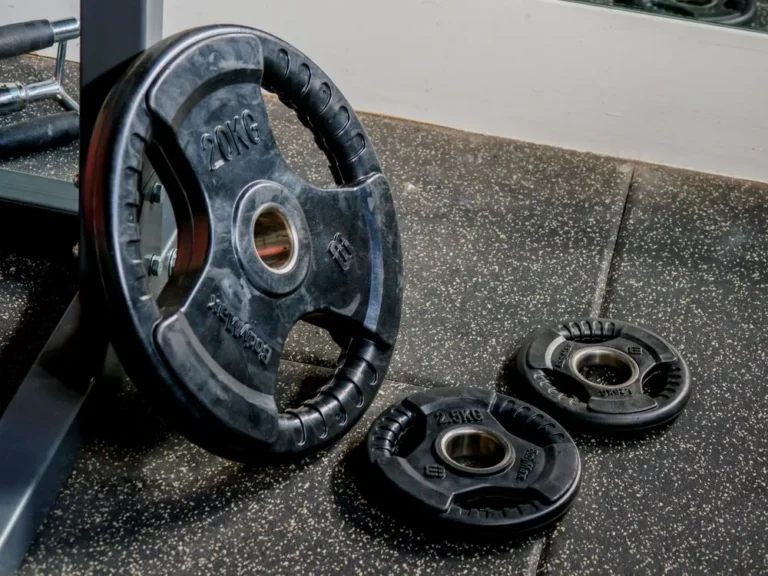
rubber gym floor maintenance

The mop gets all the attention in rubber gym floor maintenance, yet the problems that actually shorten a floor’s life live where the mop cannot reach: a tacky film that survives cleaning, an odour rising from underneath, a seam starting…
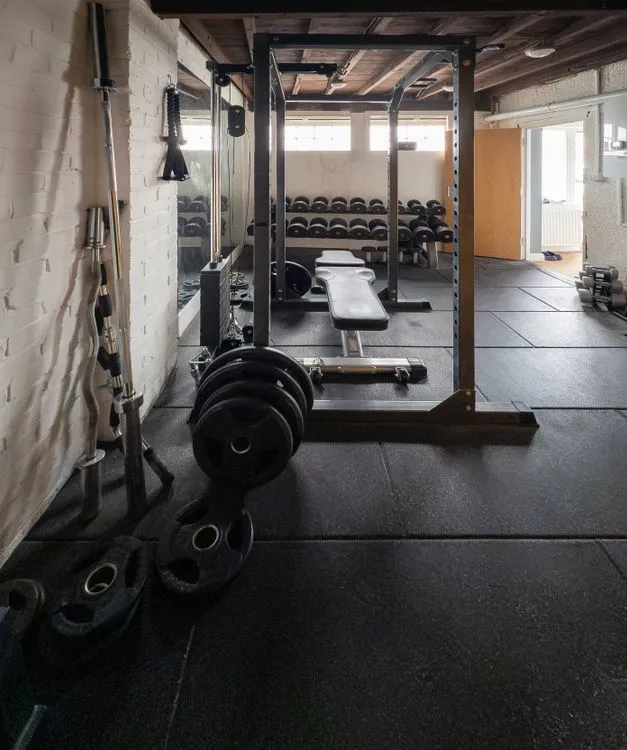

Gym Noise Reduction: From Complaint to Quiet Floor

The first gym noise reduction project usually starts with a message nobody enjoys reading: neighbours above or below have had enough. Most owners respond by buying the thickest mat they can find online — and half the time the complaint…

Interlocking Rubber Mats: A Complete Product Guide

interlocking rubber mats

Quick answer: interlocking rubber mats are puzzle-edged rubber tiles that connect edge to edge without adhesive, forming one continuous floor over any flat, sound substrate. A well-made tile pairs a dense EPDM wear layer with a resilient recycled-rubber base, ships…

Soundproof Gym Flooring: What the Tests Actually Measure

Quick answer: no rubber mat makes a floor soundproof — soundproof gym flooring means an assembly that cuts impact noise reaching the structure below. A correctly chosen rubber mat layer, measured as ΔLw in an accredited lab test, typically improves…

Rubber Gym Mat Smell: What It Tells You About Quality

rubber gym mat smell

Quick answer: a rubber gym mat smell is chemistry, not dirt. New mats should smell noticeable for one to three weeks and fade steadily; a smell that persists for months or returns with every warm day points to under-cured rubber…

Gym Rubber Mat Thickness: Matching Load to Millimetres

Quick answer: gym rubber mat thickness is a load specification, not a quality grade. Most machine and cardio floors work at 6–10 mm, mixed strength areas need 15–20 mm, and dedicated barbell drop zones start at 30 mm. The right…