
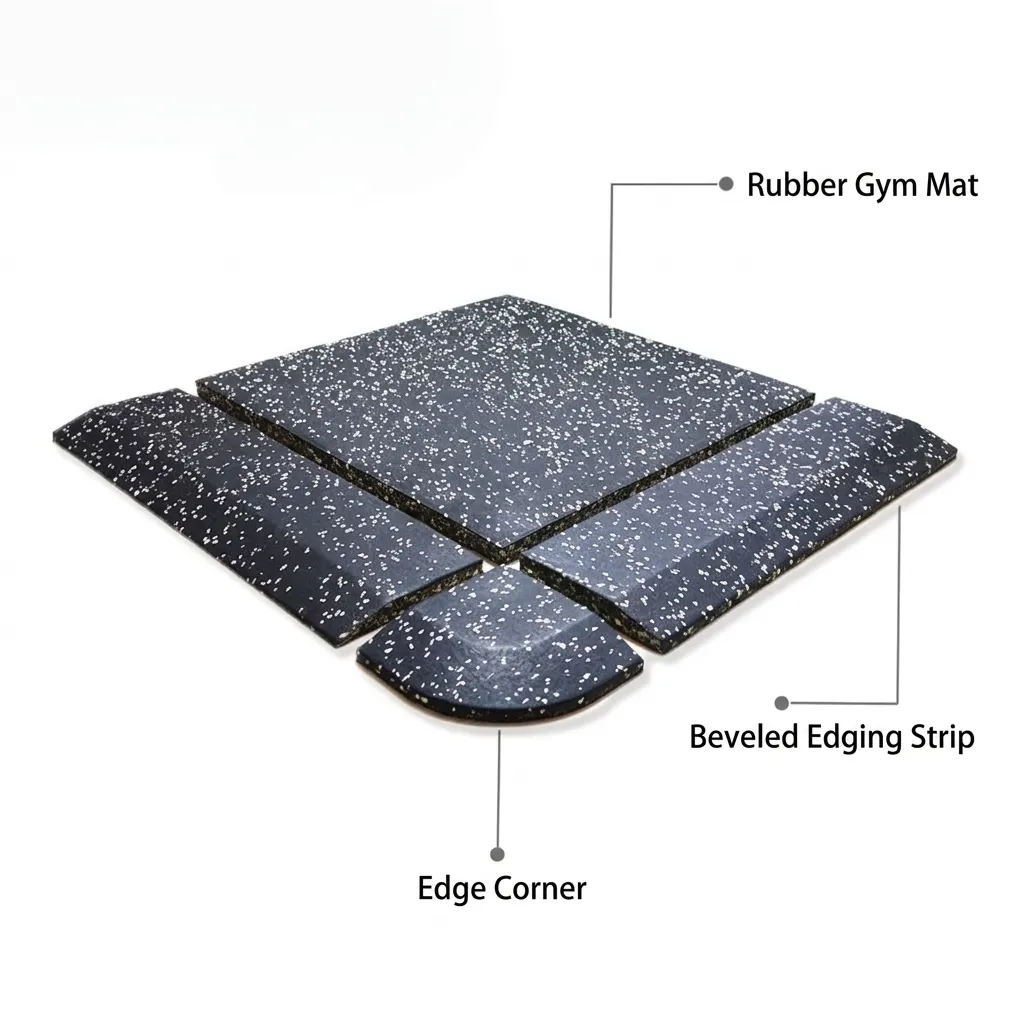
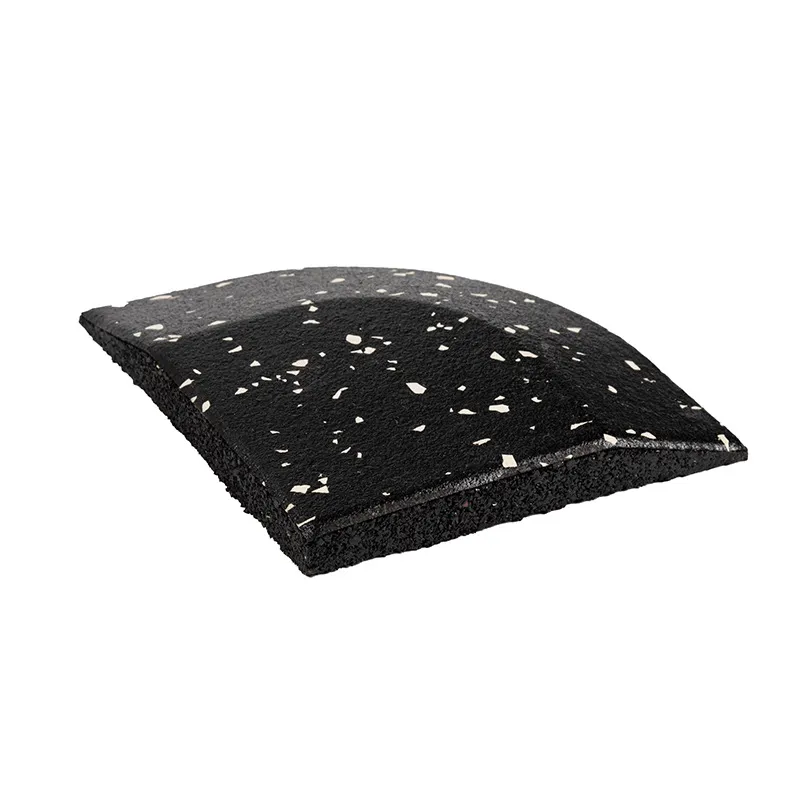
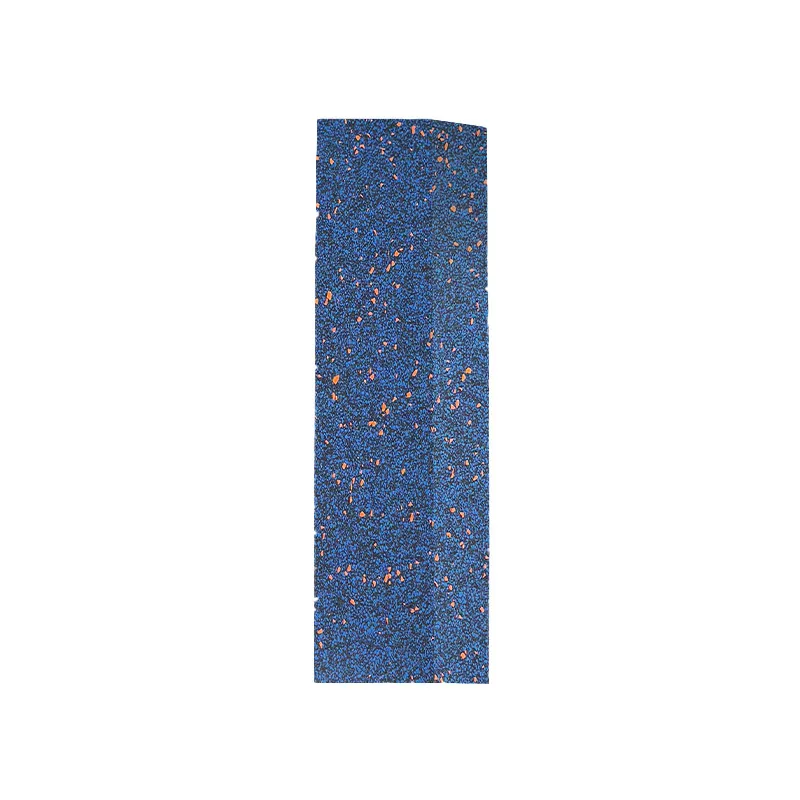
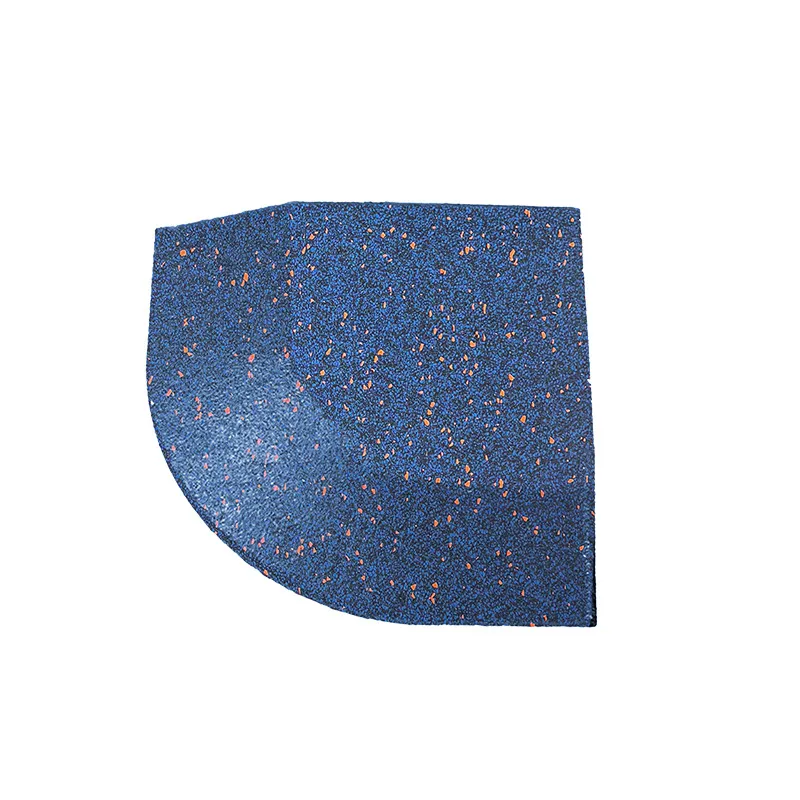
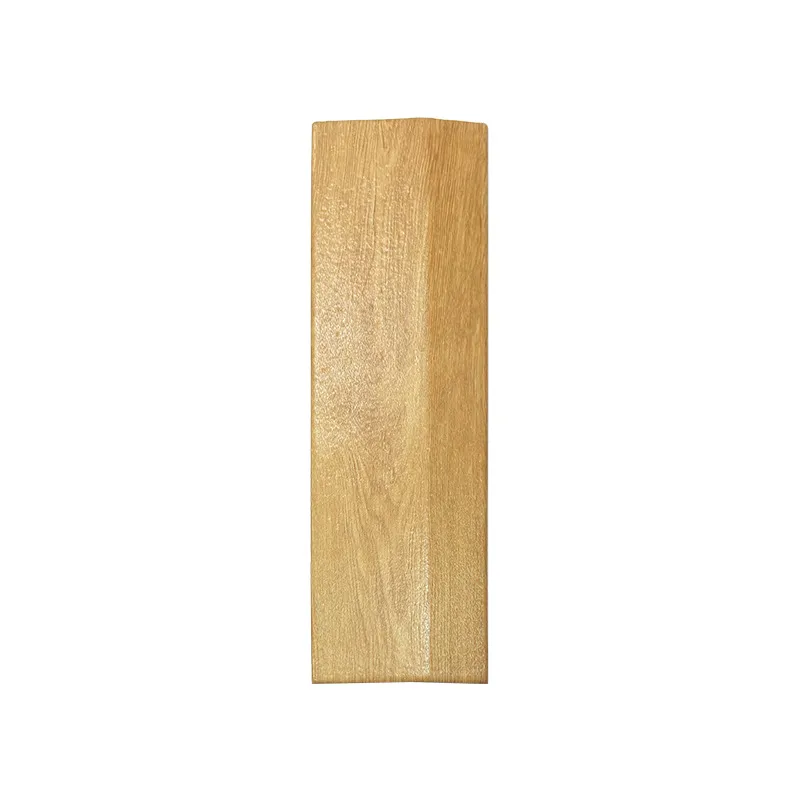
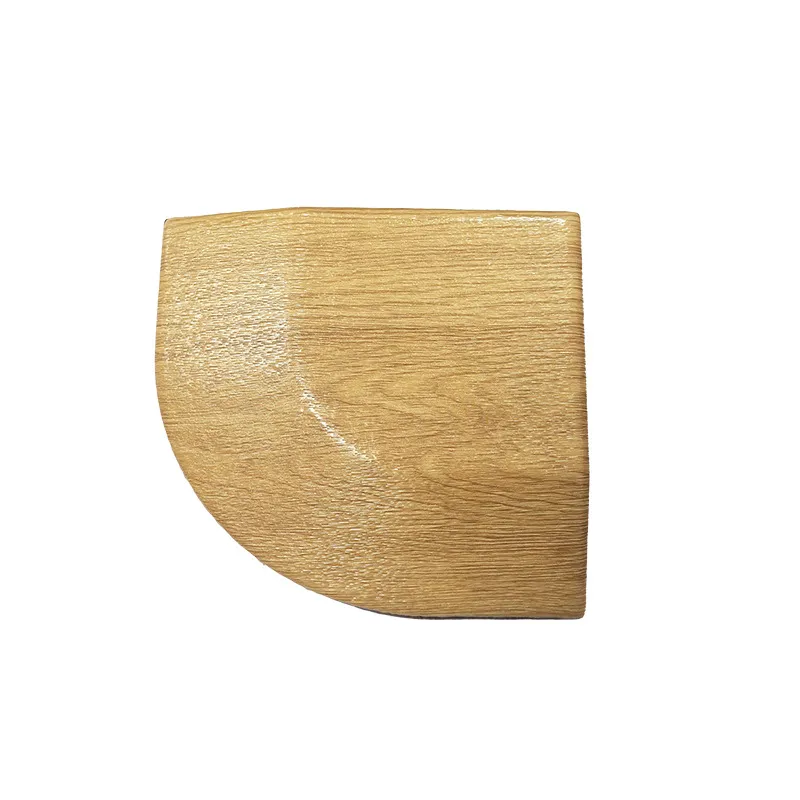
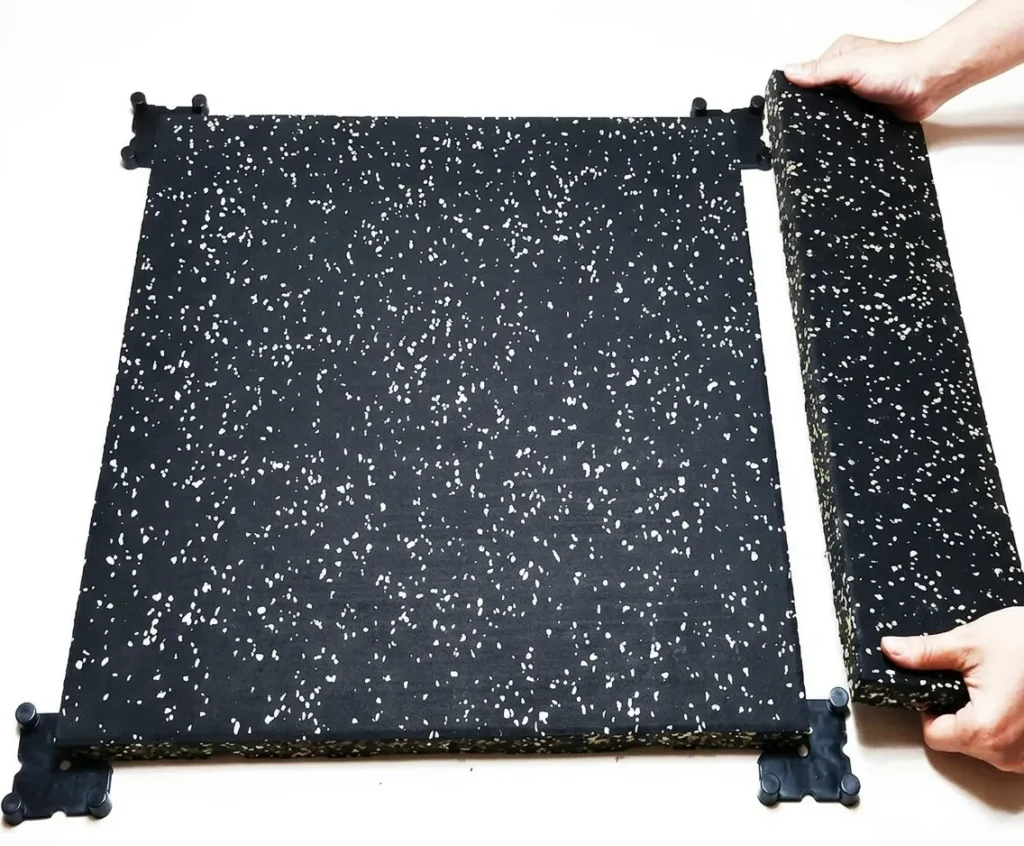
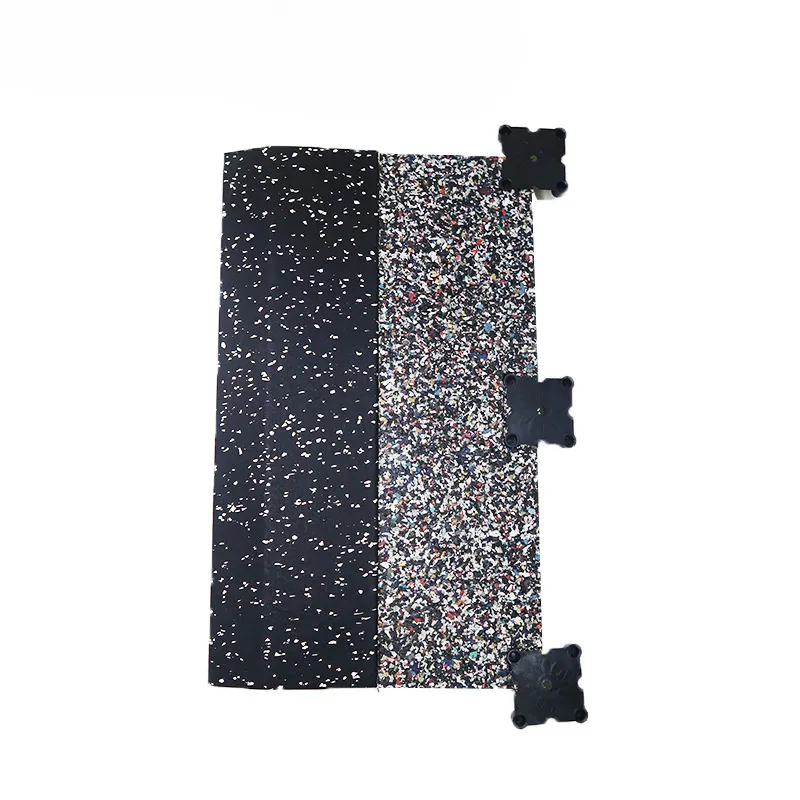
rubber flooring transition strips A transition strip is the small detail that decides whether a gym floor feels finished or improvised. These rubber strips ramp the step between a rubber floor and an adjacent hard surface – tile, concrete, timber or carpet – so trolleys roll over it, feet do not catch on it and the edge of the rubber is protected from lifting.
Where a strip is needed
Every doorway and threshold between the gym floor and a corridor. This is the busiest edge in the building and the first one anyone notices. Members cross it with training shoes, staff push cleaning carts and equipment trolleys through it, and in a busy club it can take hundreds of passes a day. Without a ramp, the bare tile edge is the first thing to curl, chip or lift – and a lifted edge at a doorway is both a trip hazard and an obvious sign of a rushed installation. This is what rubber flooring transition strips are designed for: a beveled profile carries wheels and feet over the change of level and protects the tile edge underneath it.
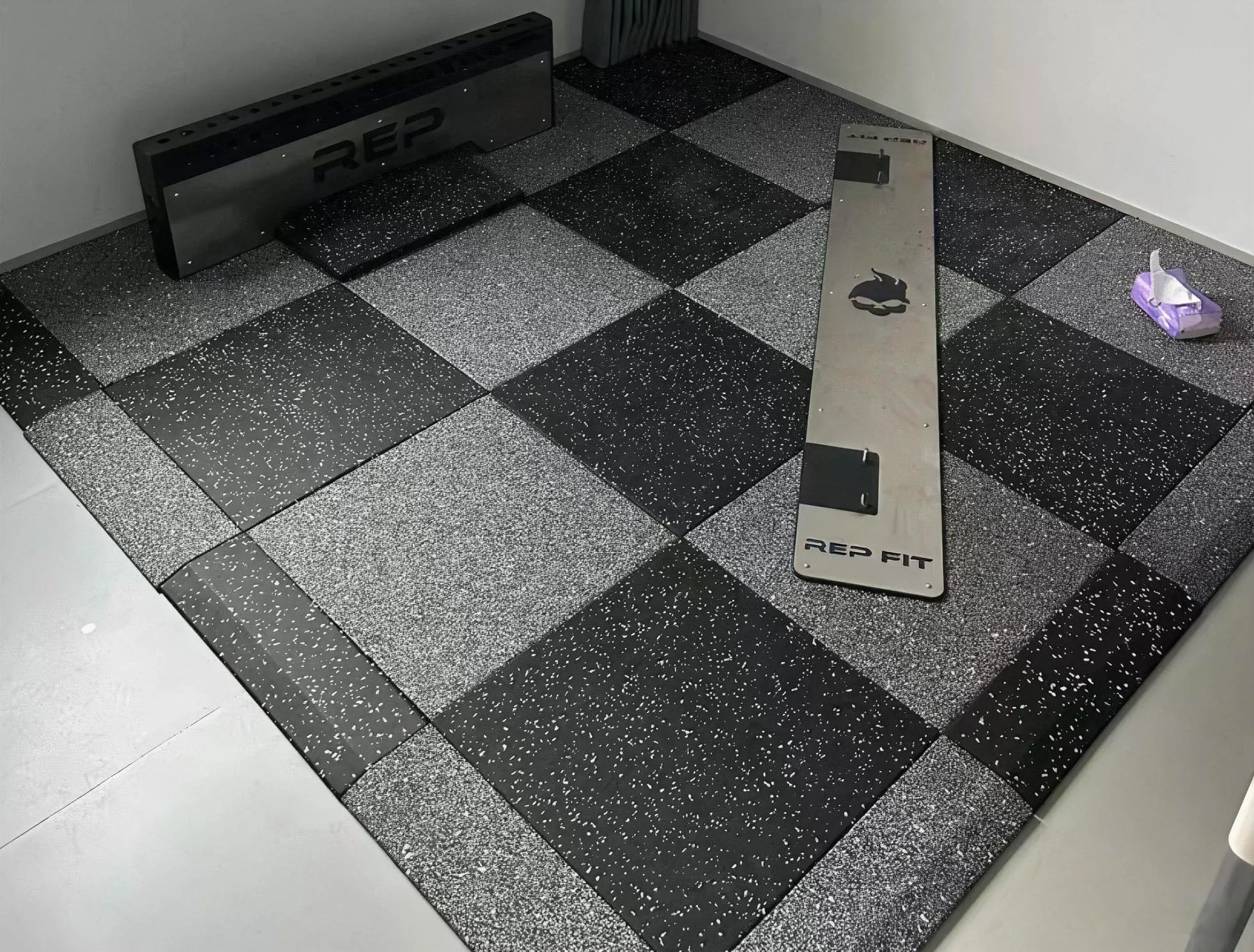
Where a thicker free-weight zone meets a thinner cardio zone inside the same hall. Zoning a floor by thickness is normal practice – 30–50 mm under racks and platforms, 15–20 mm under machines and in studios – but it creates a step wherever the two zones meet. That step is rarely more than a few millimetres, yet it is exactly where people look down while carrying plates, where sleds are dragged across and where a trolley catches a wheel. Rubber flooring transition strips rated for the actual height difference turn the step into a gradual ramp, so the transition reads as a designed boundary instead of an unfinished edge.
Along walls and columns where the tile edge would otherwise be exposed. A perimeter that stops short of the wall leaves a gap that collects dust, grit and mop water, and gives the tile edge room to move. Around columns the problem is worse: the edge is exposed on every side and constantly brushed by people and equipment moving past it. Closing these runs with rubber flooring transition strips or matching edge pieces keeps the floor tight to the structure, makes cleaning straightforward and stops small gaps from growing into visible lifting.
At the boundary between rubber flooring and a reception or retail finish. This is the point where the floor stops being a training surface and becomes part of the club’s image. Rubber meets tile, timber or carpet, usually with a step and almost always in full view of anyone entering. A clean transition here makes the whole fit-out look considered; an exposed rubber edge against a premium finish does the opposite. Because these rubber flooring transition strips are cut from the same rubber compound as the floor, the colour and texture continue across the boundary instead of reading as a separate product bolted on at the end.
On a commercial project these are the joints most likely to be flagged in a snagging walk, and they are the cheapest part of the floor to get right.
Profiles and how to choose
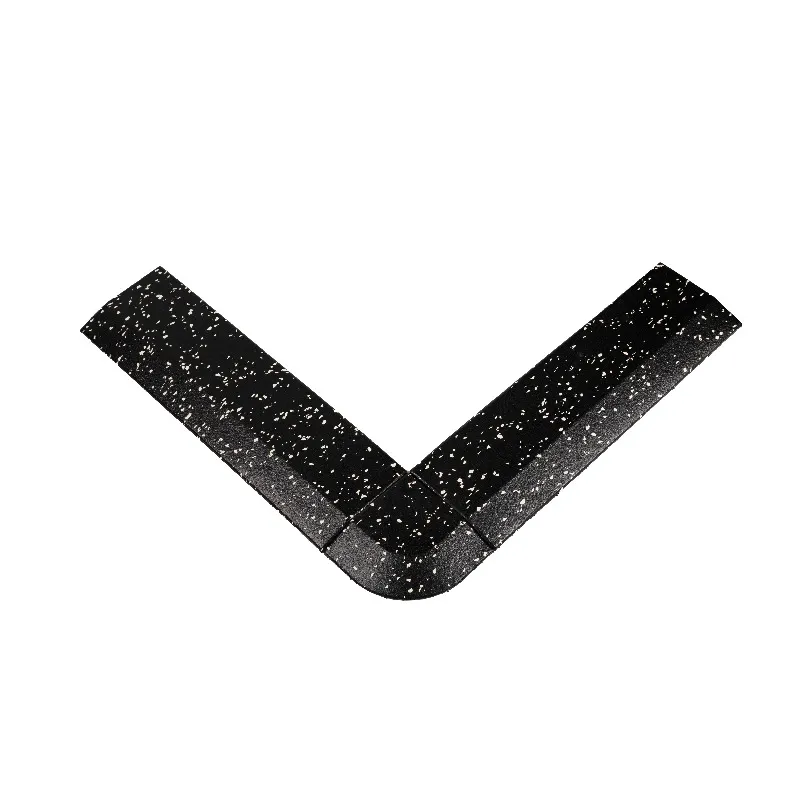
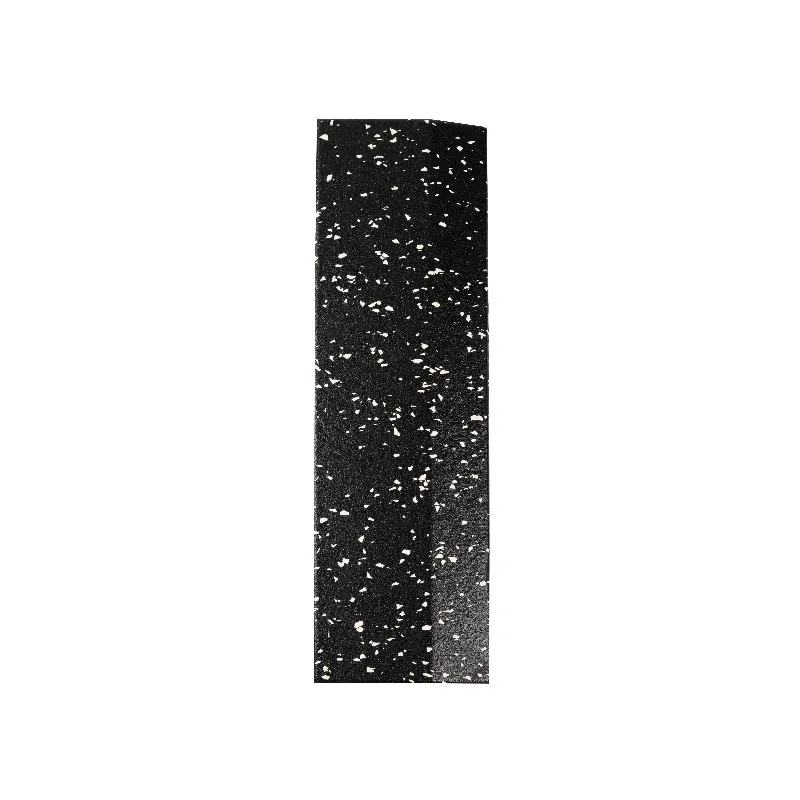
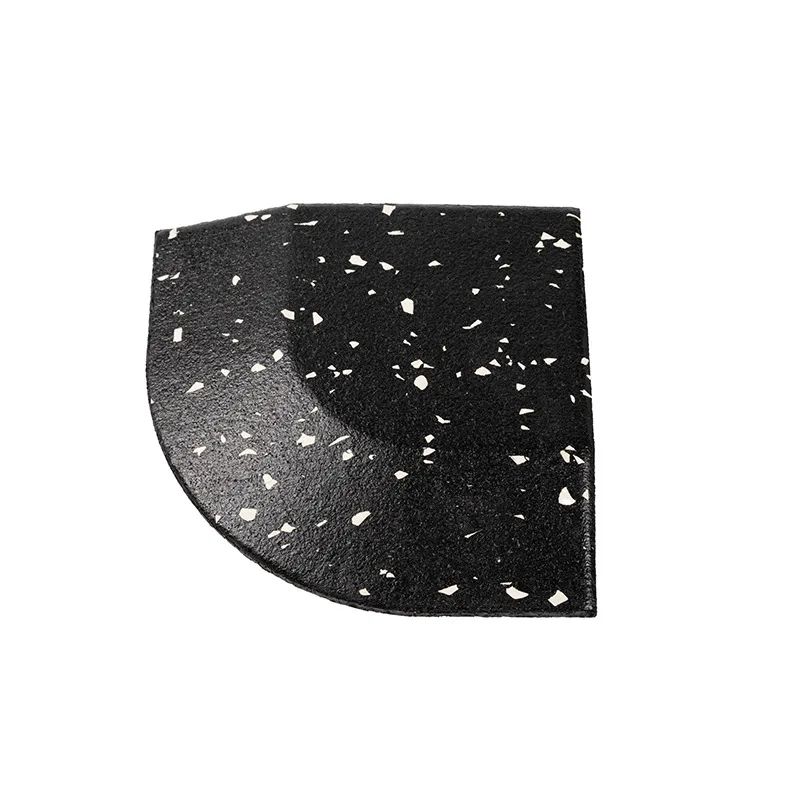
Rubber flooring transition strips come in three profiles. Beveled profiles give a gradual ramp and are the usual choice for a floor that people walk over. Rounded-corner profiles suit areas where a trolley or wheelchair crosses regularly. Straight edge profiles close the perimeter tightly where a ramp is not needed. All profiles are cut from the same rubber compound as the floor so the colour and texture read as one surface.
Sizing and cutting on site
Measure the finished floor height – tile plus any underlay – not the nominal tile thickness. Strips are supplied in standard lengths and can be cut with a fine-tooth blade or a mitre saw; corners are formed by mitring two lengths rather than bending, which keeps the profile clean. Order the strip with the tiles so the colour batch matches.
Fitting
Bond the strip to the substrate with the same adhesive used for the floor, seat it tight against the tile edge, then weight or roll it until cure. On removable interlocking floors, use the matching edge pieces from the interlocking connectors range instead of adhesive so the whole floor can still be lifted.
Frequently asked questions
Can a strip bridge a 10 mm height difference?
Yes – a beveled profile is designed for exactly that. Tell us the height difference and the width you can give up and we will match the profile.
Do strips come in colours other than black?
They are produced in the standard fleck colours to match composite EPDM rubber mats and multicolor composite gym rubber tiles, so the perimeter does not read as a separate product.
Are they needed on a glued floor?
Not always at a wall, but at any change of floor surface yes – an exposed rubber edge chips and lifts far sooner than a protected one.
Send a section drawing or a photo of the joint and we will specify the profile. The rest of the flooring accessories range covers connectors and edge pieces.
Get a quote from the factory
Not sure which edge profile fits your floor build-up? Send a section drawing or photo of the joint and our team will specify the profile and quote your run length. Contact our export team or request a free sample to check the finish before you order.