
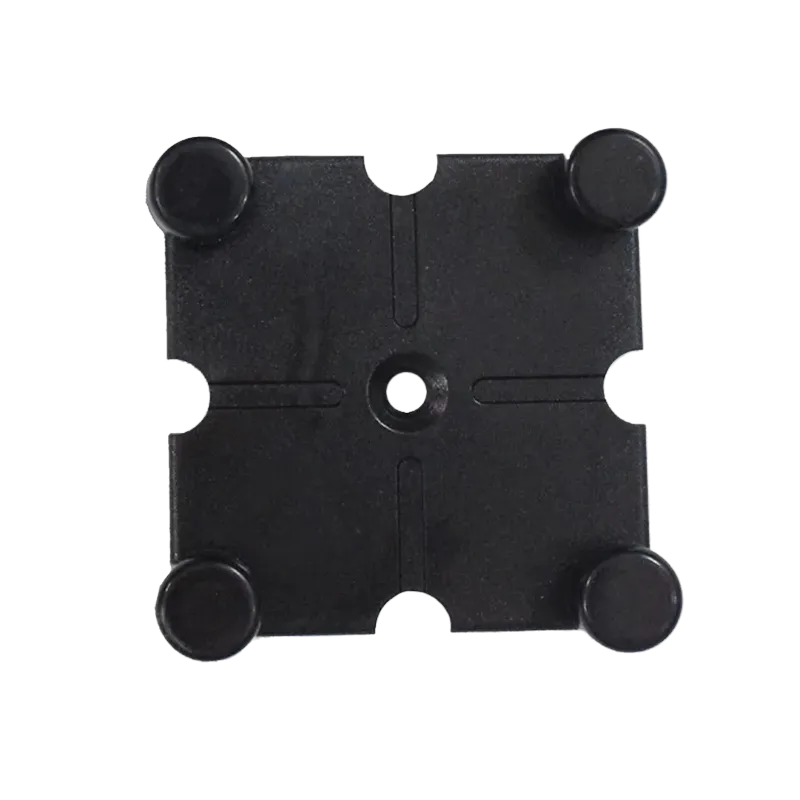
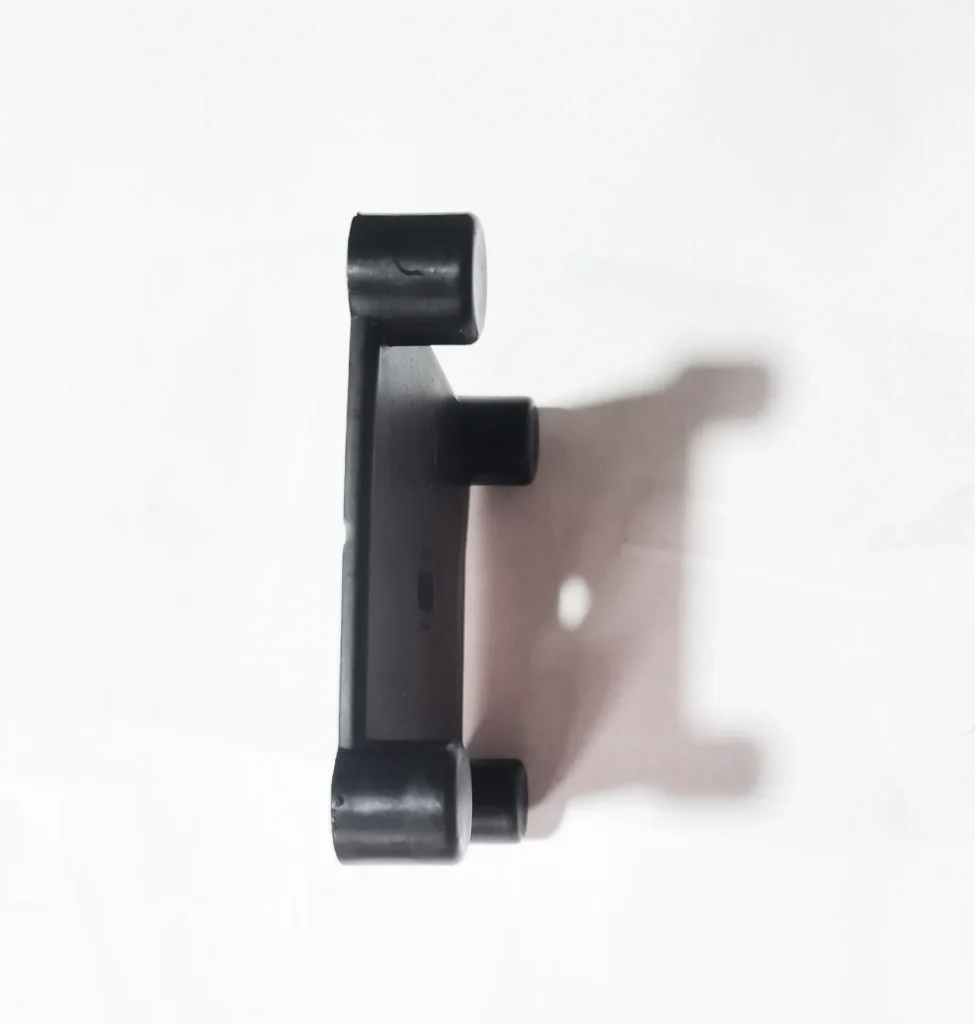
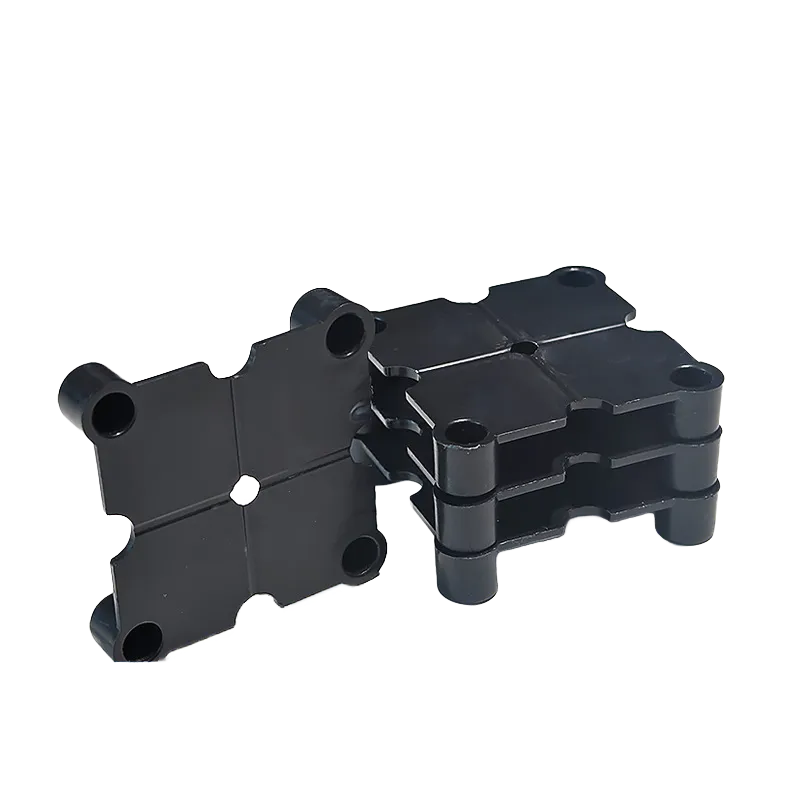
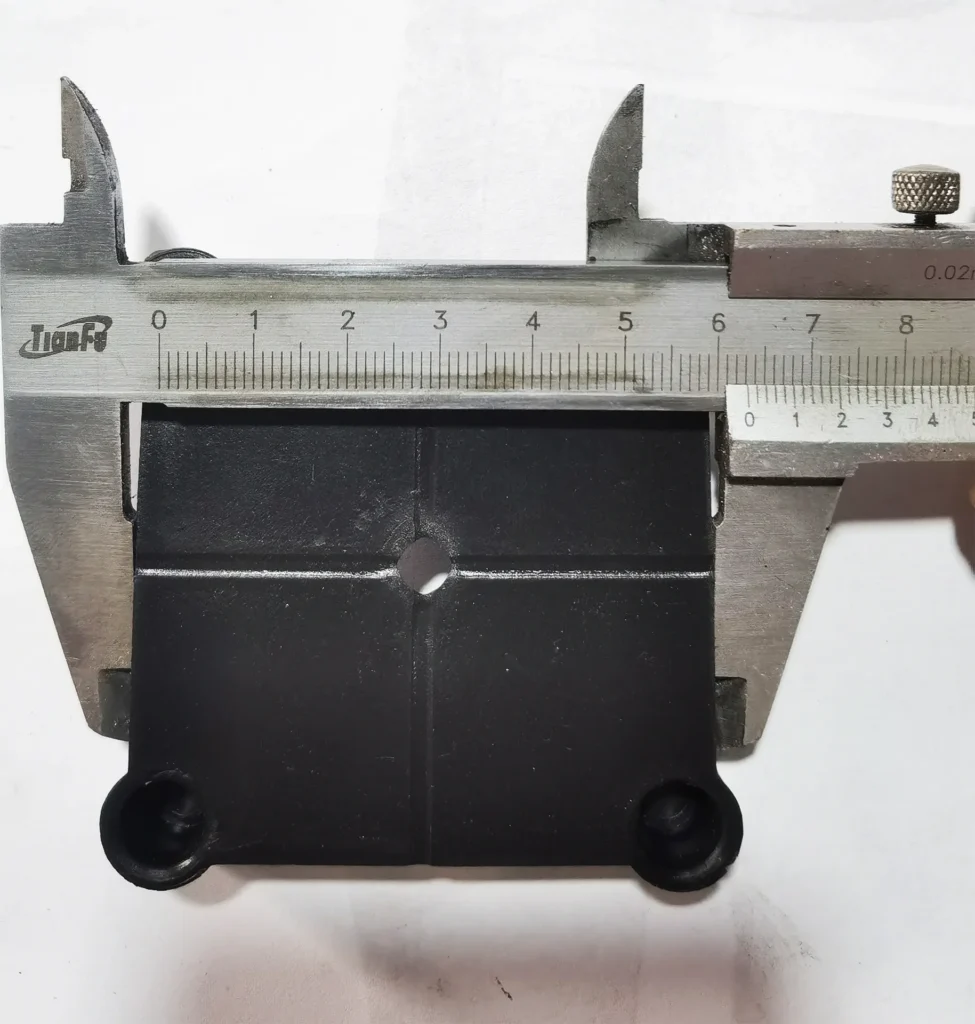
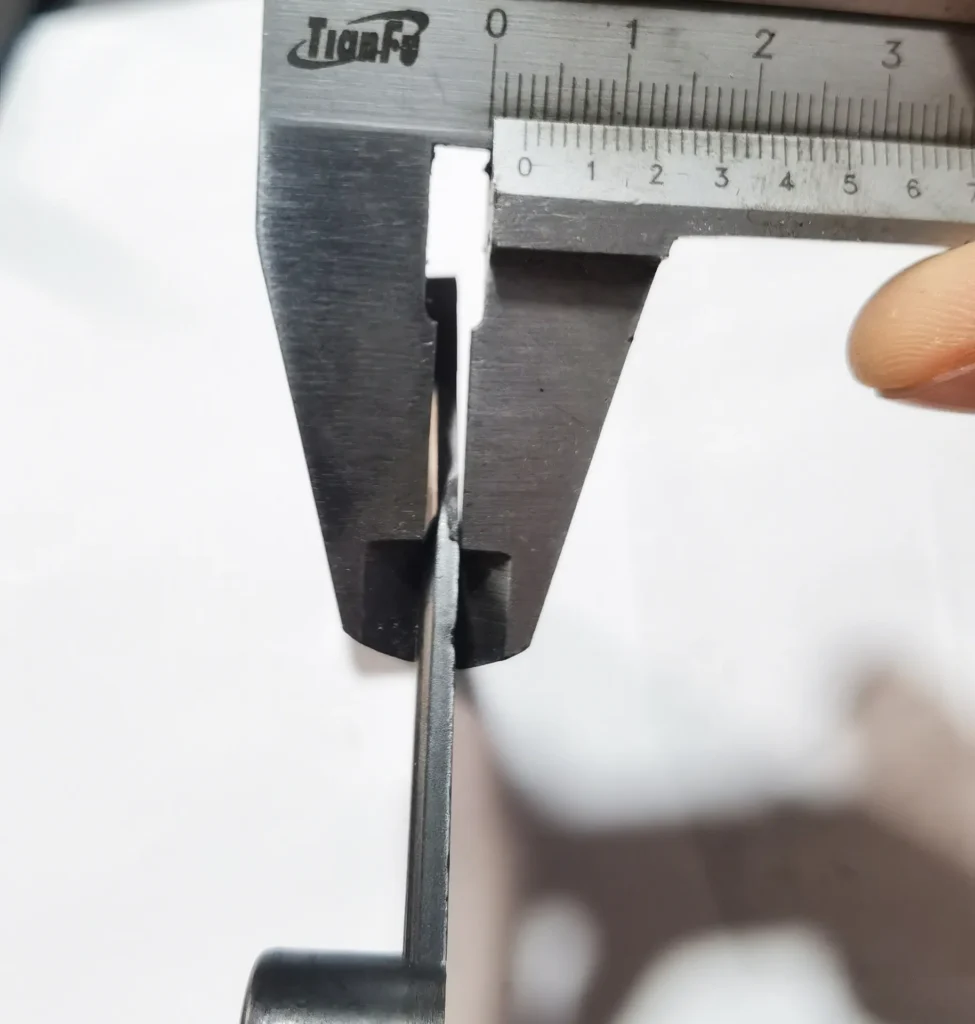
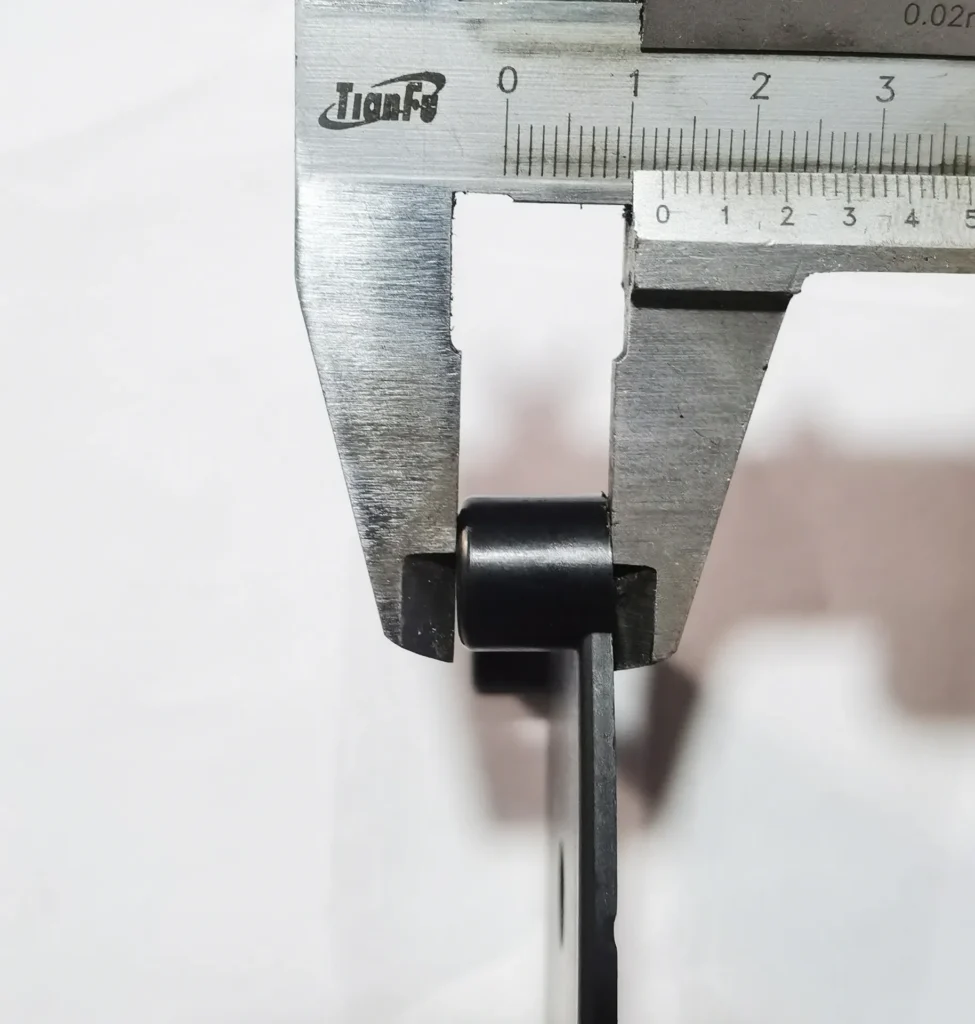
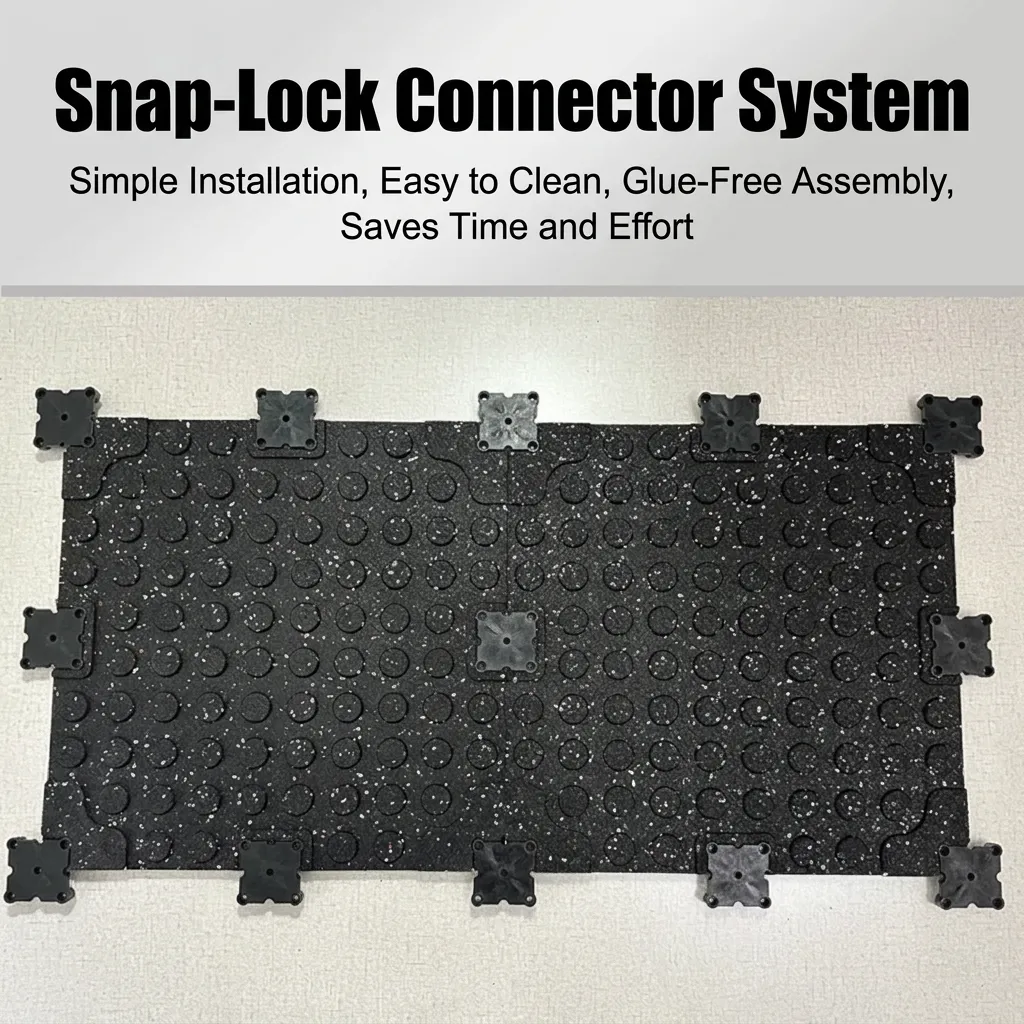
interlocking rubber tile connectors only stay flat if the seams stay closed. These connectors are the small plastic clips and pins that lock adjacent tiles together, replacing adhesive on floors that need to be removable and taking the movement out of seams on floors that are permanent. We supply them matched to our tile profiles, in bags sized to the floor area you are ordering.
What a interlocking rubber tile connector actually does
A rubber tile expands and contracts with temperature and takes a sideways push every time someone plants a foot or drops a weight. Without a clip, that movement shows up as an opening seam within a season. The clip sits in the matching slots on two tile edges and holds them in shear, so the floor behaves as one sheet rather than a set of loose squares.
Types we supply
| Type | Use |
|---|---|
| Jigsaw clips | Standard connection between two composite tiles on straight runs. |
| Connecting pins | Higher pull-out resistance where a floor takes sled or trolley traffic. |
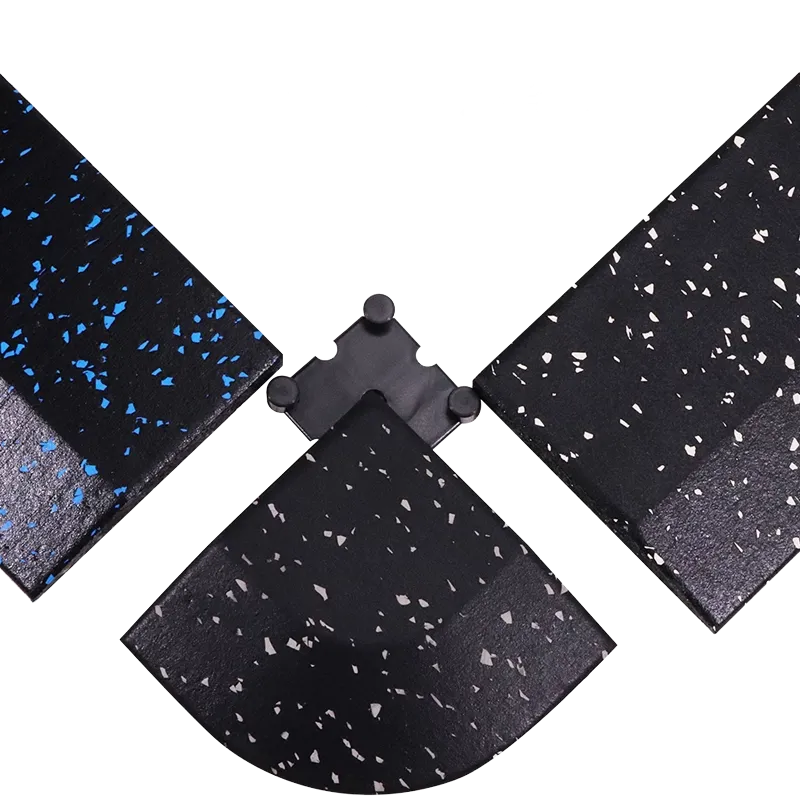
| Edge and corner pieces | Closes the perimeter so the border tiles keep a straight line. |
How many to order
As a working rule you need one connector per shared edge, plus a spare allowance for breakage and future re-lays. The count is calculated from the tile drawing rather than from square metres alone, because every seam a tile shares with its neighbour needs a clip. We run that calculation for you and ship the interlocking rubber tile connectors together with the tiles, so the installer is not short on the last row – the single most common cause of a floor being left open overnight.
The spare allowance is not padding: clips get damaged in transit, trimmed through by accident, or lost on a busy site. Five percent covers a standard installation; a floor that is lifted and re-laid for events should hold back more. Edge and corner pieces for the perimeter are counted the same way.
Installing with the clips
Let the tiles acclimatise in the room for 24 hours before laying. Start from the longest straight wall and dry-lay a row to confirm the alignment. Seat the interlocking rubber tile connectors in the matching slots on every shared edge and close each joint with a rubber mallet and tapping block – no adhesive, no curing time, and the floor takes light foot traffic the same day. Where a zone takes sled or trolley traffic, connecting pins give higher pull-out resistance than the standard clips. Because the clip holds the two edges in shear, the floor behaves as one sheet rather than a set of loose squares.
Can interlocking rubber tile connectors be lifted and reused?
Usually yes – the clips survive a careful lift. Lift from one edge, keep the clips seated in their slots, and stack the tiles flat rather than dragging them. Order a 5% spare allowance so worn or broken clips can be replaced during the re-lay. For leased premises and event floors this is the point of the whole system: the floor comes up in an afternoon and goes back down in another, with the same set of interlocking rubber tile connectors doing the work each time.
Buying them with the floor
Clips are cheap per unit and expensive to reorder separately, especially across borders. Order them with composite EPDM rubber mats or multicolor composite gym rubber tiles and they arrive in the same container, matched to the tile batch. If you are fitting an edge detail, add rubber flooring transition strips at the same time. Interlocking rubber tile connectors are packed in bags sized to the floor area, so the installer opens the right number of bags per zone.
Frequently asked questions
Do the clips work with tiles from another factory? No. Slot dimensions differ between manufacturers, so interlocking rubber tile connectors are matched to our tile profile. Send a sample if you are trying to extend an existing floor.
Are they visible once the floor is laid? No. The clip sits inside the joint below the surface, so the finished floor shows only a tight seam. That is why interlocking rubber tile connectors suit reception areas and studio floors as much as back-of-house training zones – the fixings do the work underneath and never appear in the finish.
Order interlocking rubber tile connectors with your tiles, or ask us for a count against your layout. See flooring accessories for the rest of the perimeter range.
Get a quote from the factory
Matching connectors to your tile format and order size? Tell us your tile type and quantity for a bulk connector quote bundled with your flooring order. Contact our export team or request a free sample to check the finish before you order.