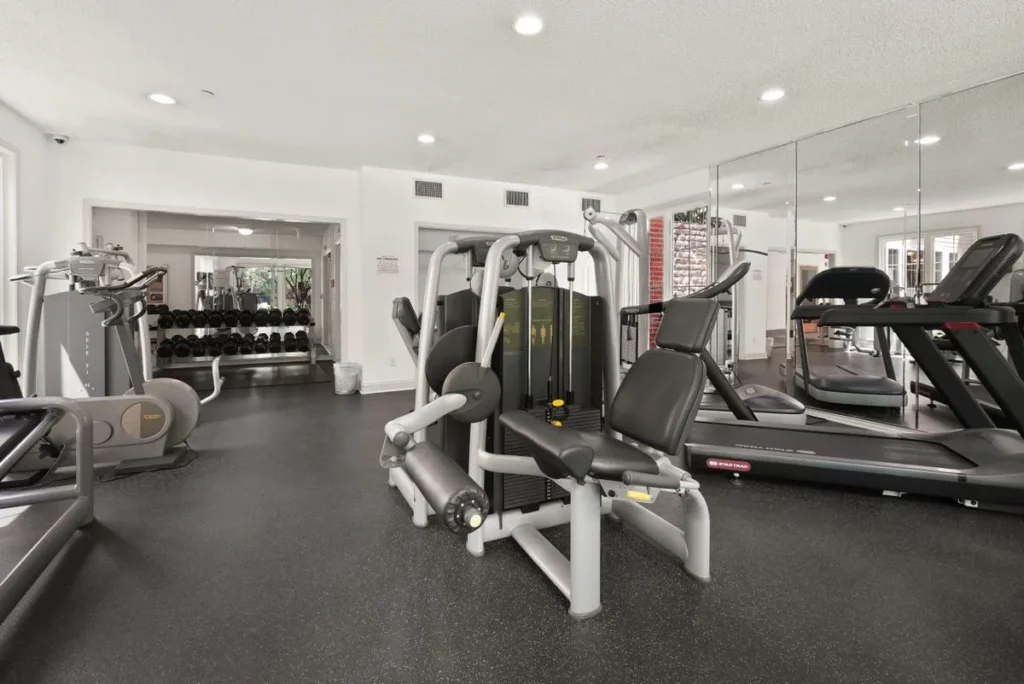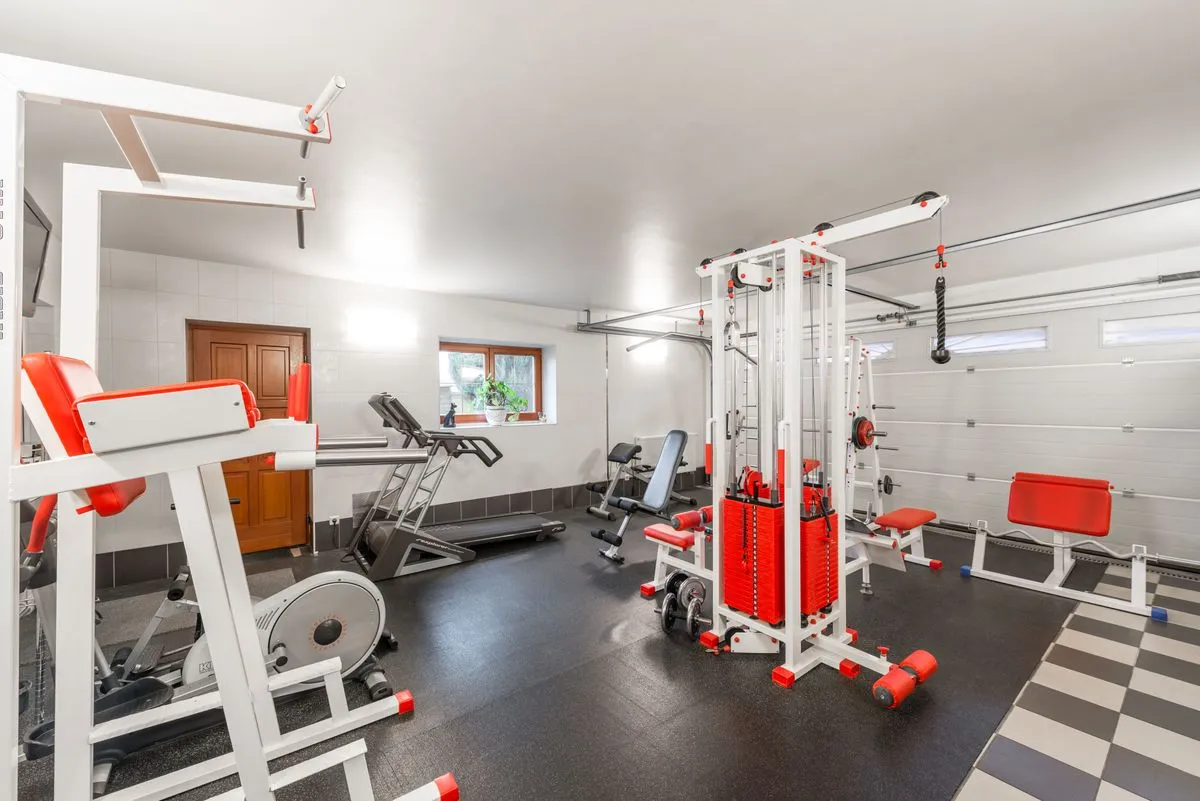
Quick answer: gym rubber mat cleaning needs three things only — daily dry soil removal, a weekly damp mop with a pH-neutral diluted cleaner, and a strict ban on solvents, bleach, steam and sealants. Done on schedule, the routine protects the compound from the two things that actually age it: abrasive grit and trapped moisture.
Nobody buys gym flooring for the joy of maintaining it, yet maintenance decides how the floor looks in year three — and whether a warranty claim, when it comes, is honoured. The good news: gym rubber mat cleaning is simpler than most facility managers assume. The bad news: the common instincts — bleach, steam mops, floor polish — are exactly wrong for rubber. This guide sets out the routine that works, the chemicals that quietly destroy the compound, and the seam and edge care that separate a ten-year floor from a five-year one.
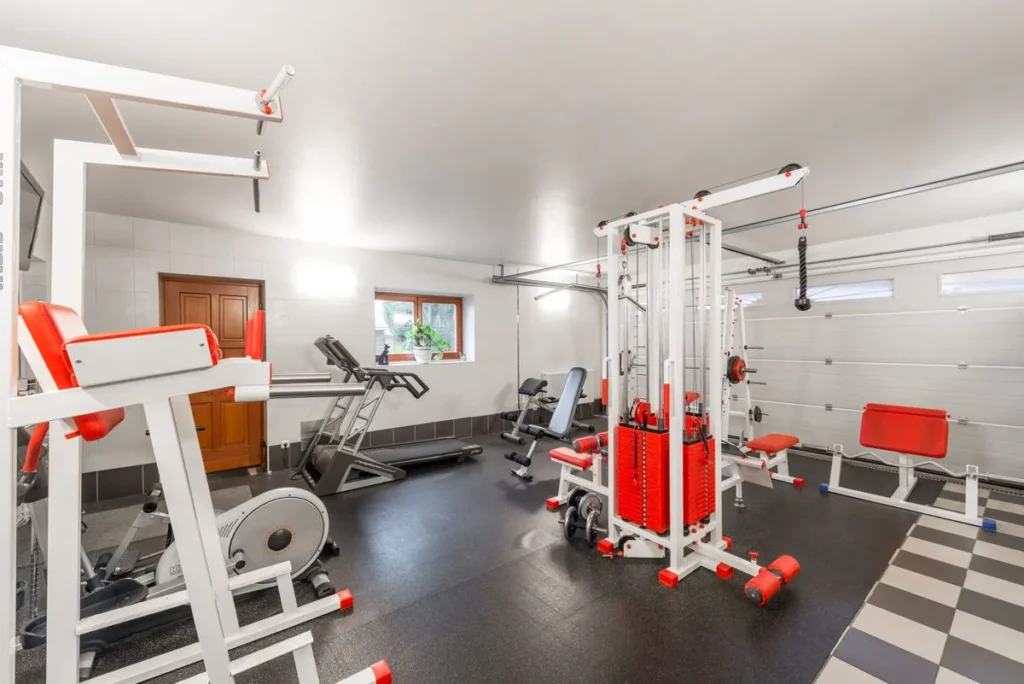
Why cleaning is a specification issue, not housekeeping
A rubber floor fails in one of three ways, and two of them are maintenance-driven:
Abrasive wear. Grit — chalk dust, outdoor soil on trainers, metal fragments from plate edges — works into the texture and grinds it under foot traffic. A fine abrasive does what sandpaper does, slowly: the dense wear layer thins, the colour goes grey, and the surface that shed its sheen now holds dirt faster. Dry soil removal is not cosmetic; it is wear prevention.
Chemical attack. Sweat is salty and mildly acidic, cleaning agents range from gentle to vicious, and rubber compounds vary in what they tolerate. The wrong chemical doesn’t melt anything dramatically — it slowly extracts plasticisers and oxidises the surface, leaving it brittle and pale. This is the failure that voids warranties, because it is visible and avoidable.
Moisture in the build-up. Water forced into tile seams or under edges, then trapped against the slab, grows into odour, seam lift and adhesive failure — the same mechanism the smell guide describes from the compound side.
Cleaning is therefore part of the floor’s engineering, and the routine below is built to cut all three failure paths.
The daily routine: five minutes per zone
The daily half of gym rubber mat cleaning is dry work, and it takes five minutes per zone:
- Dry dust removal first, always. A wide dust mop or a vacuum without a beater bar (hard-bristle rotating brushes chew the surface texture). This single step does more for floor life than every product on the cleaning shelf.
- Spot-clean sweat pools immediately with a damp cloth and water. Sweat left overnight salts into the texture and starts the chemical clock.
- Wipe down equipment contact points — bench feet, plate storage bases — where chalk and sweat concentrate and get ground in.
- Chalk zones get their own pass. Lifting areas produce fine dust that migrates everywhere; contain it daily or it becomes the abrasive of point one.
The weekly routine: damp mop, correctly diluted
Once a week — more often in high-traffic commercial gyms — the wet half of gym rubber mat cleaning:
- Dry remove first. Never wet-mop over grit; you are making liquid sandpaper.
- Fill the bucket with warm water and a pH-neutral cleaner, diluted to the label. Neutral means around pH 6–8: strong enough to lift sweat and body oils, gentle enough to leave the compound’s plasticisers alone.
- Wring the mop properly. The mop should be damp, not wet. Rubber tolerates water on its face perfectly well — it is water forced into seams and under edges that does damage, which is the next section’s subject.
- Mop in one direction, overlap passes, finish edges last. No pooling.
- Let it air-dry; no rinsing needed. A rinse step just re-deposits dirty water.
For home gyms on a tight schedule, weekly is the whole story: dry removal whenever the floor looks dusty, damp mop once a week, done.
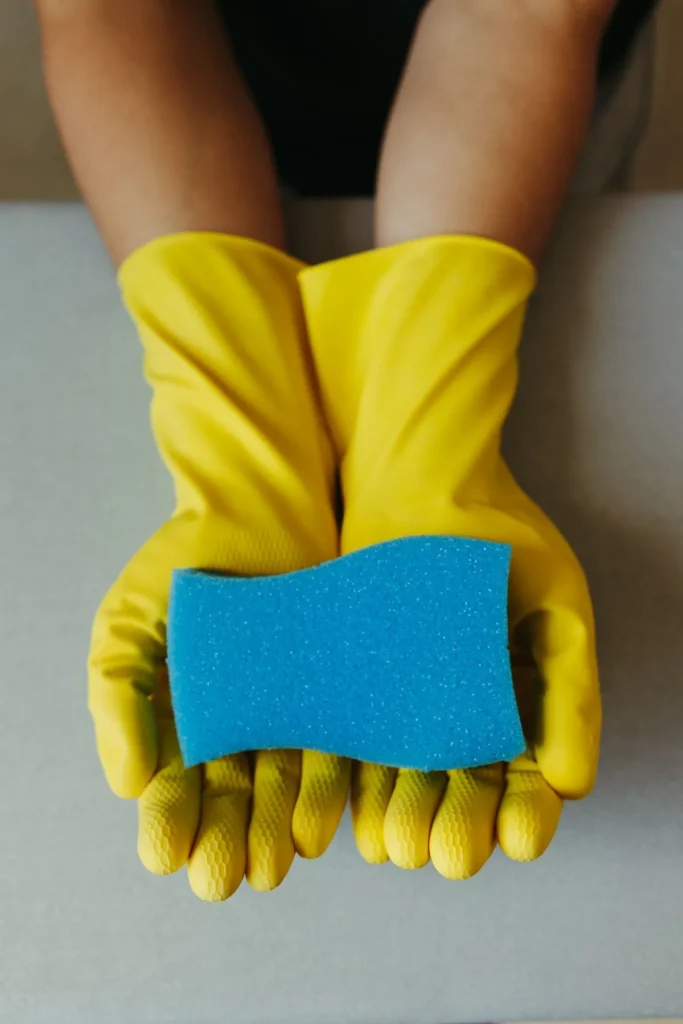
What never to touch a rubber floor
This list is short, absolute, and the reason gym rubber mat cleaning goes wrong in practice:
- Bleach and quaternary disinfectants at high concentration. Occasional diluted, properly rinsed disinfection is defensible after illness incidents (disinfectant chemistry is aggressive by design); daily bleach-mopping is slow chemical destruction.
- Solvents — acetone, thinners, alcohol-heavy cleaners. They extract plasticisers directly; the patch stays permanently pale and brittle.
- Steam mops. High heat plus pressurised water finds every seam and edge, then sits under the mat against the slab. The single most common self-inflicted failure in home gyms.
- Vinegar. Acidic, and popular on the internet; it dulls the surface and does nothing a neutral cleaner doesn’t do better.
- Oil soaps, waxes, polishes, sealants. Rubber does not want a finish. These products build a film that holds dirt, turns slippery, and — worse — seals moisture in rather than out. A rubber floor is a finished product; adding finish ruins the finish.
Stain and problem guide
Most gym rubber mat cleaning questions are really stain questions. The methods, in one table:
| Problem | Method | Note |
| Sweat marks, body-oil film | Damp mop, pH-neutral cleaner | Weekly routine handles it |
| Scuffs from soles and equipment | Eraser-style pad, gentle pressure, neutral cleaner | Test in a corner first |
| Chalk build-up | Dry brush, then damp mop | Daily containment beats weekly cure |
| Rust rings from plate edges | Mild alkaline cleaner, short contact, rinse-wipe | Fix the rust source, not the stain |
| Blood or vomit | Gloves, absorb, neutral cleaner, then diluted disinfectant rinse | Hygiene first; rinse afterwards is essential |
| Chewing gum | Freeze with ice pack, lift with a plastic scraper | Solvents banned — patience works |
| Paint or adhesive spill | Mechanical removal (scraper) while fresh | Never solvent |
Seams, edges and the build-up: where moisture hides
The surface forgives; the build-up does not. In gym rubber mat cleaning, care at the joints separates ten-year floors from five-year ones:
- Never flood-mop interlocking rubber mats. Water wicks into the seams and sits under the mat. On slab-on-grade this ends as odour; on timber floors as cupping and adhesive failure.
- Lifted edges are maintenance items, not cosmetic flaws. An edge that has curled is admitting water and grit; re-seat or re-bond it promptly — the same vigilance the installation case study built into its quality checks.
- Perimeters collect the muck. The line where mat meets wall holds grit, hair and moisture. Edge-vacuum weekly; this is also where transition strips make cleaning easier by eliminating the dirt trap.
- Wet areas (showers, pool walk-offs) need entry matting, not faith. Water carried in on footwear is a build-up problem wearing a cosmetic disguise.
The annual routine: one hour per zone
Once a year, gym rubber mat cleaning earns its deep pass:
- Low-speed machine scrub (soft brush or pad, under 300 rpm) with neutral cleaner — lifts the year’s embedded film that mopping misses. High-speed burnishers and hard nylon brushes are banned.
- Inspect seams and edges with a checklist: re-seat, re-bond, or flag for replacement.
- Check high-wear lanes — dumbbell paths, rack approaches, treadmill approach — against the wear-layer guidance in the thickness guide. Localised thinning is a zone problem; solve it with a mat, not a refloor.
- Photograph the floor. Dated photos are the evidence base that keeps a warranty conversation honest on both sides.
What to ask your supplier, before the first clean
Two documents make maintenance routine instead of trial-and-error:
- A care-and-maintenance sheet for the specific compound — dilution, banned chemicals, seam rules — written by the manufacturer, not generic internet advice.
- A sample you can test cleaners on. Rub the weekly cleaner on the sample for a month; if the surface changes, change the cleaner, not the floor. Compound data sheets — density, cure system — are covered in the material explainer; the care sheet belongs in the same folder. For product-level care sheets, see composite EPDM mats and EPDM rolls, or about the factory to see how compounds are specified.
Frequently asked questions
How often should gym rubber mats be cleaned?
The rhythm of gym rubber mat cleaning is daily dry removal, weekly damp mopping with a pH-neutral cleaner in normal use — daily mopping in high-traffic commercial zones. The dry pass matters more than the wet one; grit is what actually wears the surface.
Can I use bleach on gym rubber mat flooring? Only as a rare, heavily diluted, rinsed disinfection after an illness incident — never as the routine cleaner. Daily bleach work oxidises the surface, bleaches the colour unevenly and extracts the compound’s plasticisers. A pH-neutral cleaner plus good hygiene practice covers everyday needs.
Is a steam mop safe on rubber gym mats? No. Heat and pressurised moisture penetrate seams and edges and sit against the slab — the exact failure mechanism to avoid. A wrung damp mop does the same job with none of the risk.
How do I get chalk dust out of rubber gym flooring? Dry methods first: brush or vacuum the chalk out of the texture, then damp mop. Water alone pushes chalk into the pores and makes a paste — always remove the bulk dry. In lifting zones, a daily 5-minute chalk pass prevents the weekly problem.
Why does my rubber floor look grey and dull after cleaning? Two usual causes: a cleaner with residues (oil soaps and waxes build a dirt-holding film), or aggressive chemistry that has oxidised the surface. Switch to a properly diluted pH-neutral cleaner and test on a sample; if the dullness is oxidation rather than film, that patch has taken permanent damage — which is exactly why the banned-chemical list is short and absolute.
Ready for a floor that stays black?
Every quotation we ship includes the care-and-maintenance sheet for the exact compound you are buying — see the range in tiles & mats, rolls, or ask via about the factory for the care documentation before you order.